The fastest way to find AI talents is to watch them work under pressure. DSTA BrainHack 2026’s TIL-AI track gave the Defence Science and Technology Agency exactly that. AngelHack helped put 68 teams of student builders into a head-to-head tournament built on real defence problems, then handed DSTA a shortlist of the strongest to recruit from. Here is how we did it.
What DSTA Needed in an AI Competition
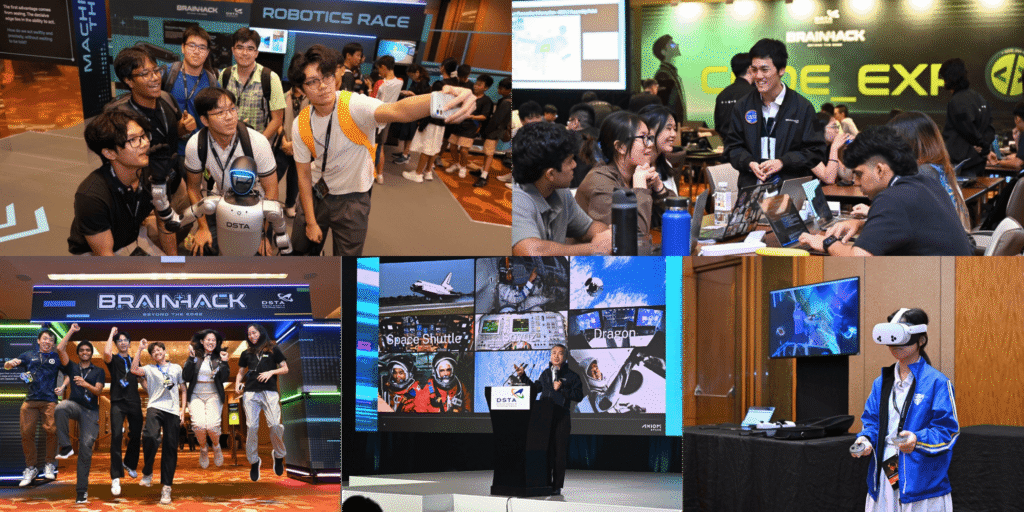
BrainHack is DSTA’s showcase of technology and innovation in defence. In 2026 it drew over 4,500 students into AI, cybersecurity, autonomous systems, and more, with industry talks and even an astronaut. TIL-AI, short for Today I Learned AI, is the AI competition track we design and run inside it.
DSTA set three outcomes for the track:
- Surface talent: Identify high-potential individuals for scholarships, internships, and tech careers.
- Build skills: Give participants new AI capability through competition, workshops, and mentorship.
- Grow the pipeline: Strengthen the tech talent pool Singapore’s digital defence depends on.
How AngelHack Designed a Hackathon That Mirrors Real Defence Work
The short answer: We built every task to mirror a real defence problem.
TIL-AI ran two tiers so every level had a real contest. Novice and Advanced competed separately, with Advanced teams facing the same tasks on harder datasets. For the third year running, AngelHack ran the track end to end, from challenge design to the finals floor.
The four core tasks each mapped to a real defence scenario:
1/ Speech recognition
Teams built models that turn speech into text, working with messy, multilingual recordings full of local slang. The cleaner the transcription, the higher the score. It mirrored the kind of real-world audio defence systems have to make sense of.
3/ Language models
Teams built systems that dig through a large pile of documents and pull out the right answer, from simple lookups to questions that need connecting several clues. It mirrors how an analyst finds the one useful fact under time pressure.
2/ Computer vision
Teams built models that spot and identify vehicles in images, from aerial and ground shots of different sizes. They also tried to fool rival teams’ models with doctored images, the way real adversaries probe AI systems for weak spots
4/ Autonomous agents
Each team’s AI played a six-way battle on a 16×16 maze with breakable walls. Agents explored, grabbed resources, and attacked rivals over 200 turns while seeing only a small slice of the map, so they had to act on incomplete information.
The finals added a Surprise challenge: a strategy wargame where agents managed resources and territory against 19 opponents at once. It rewarded the teams who adapt fastest.
The format shows DSTA how each team thinks under pressure – the input behind its scholarship and internship decisions.
Who Showed Up, and What They Proved
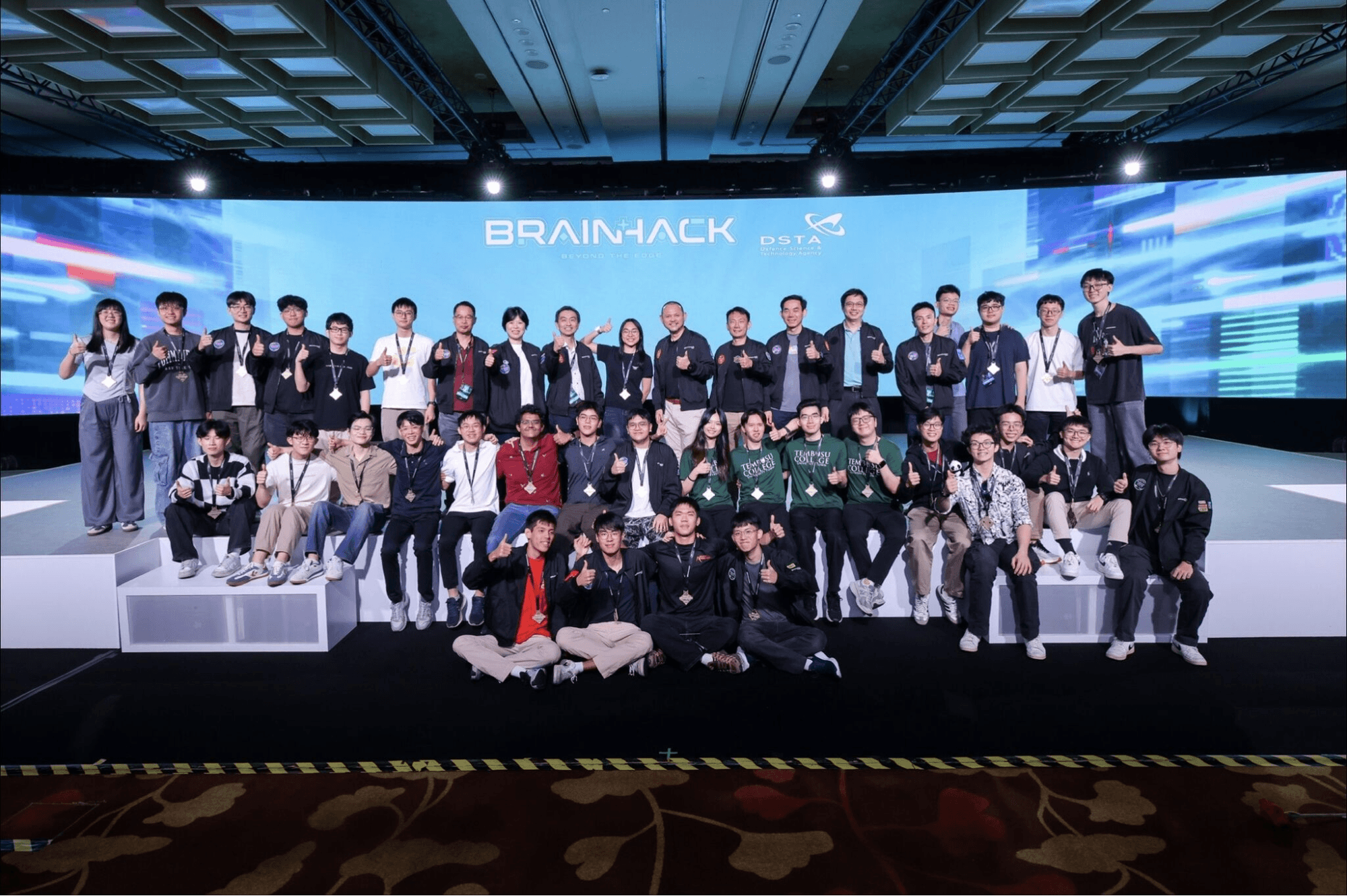
TIL-AI 2026 drew 774 participants, with 68 teams from JCs, polytechnics, and universities. The standout result came from an Advanced team that finished fourth on under $35 of compute, beating teams spending $200 a month on tooling. The edge came from problem-solving and mentor guidance, not spend.
The builders who competed put it best:
“The competition challenged us across multiple AI domains, from building multilingual speech recognition models to designing an autonomous agent for a strategy game. Each challenge pushed us to think differently, adapt quickly, and apply AI in diverse real-world scenarios.”
— Chester Chiow, Team Chicken Nuggets, 2nd Runner-up, Advanced track
“Despite the ‘Novice’ label, the field was fiercely competitive, with participants from JCs, polytechnics, and universities across Singapore. A massive thanks to the AngelHack team for making TIL-AI one of the most fun and memorable events in recent memory.”
— Choon-Hou Rafael Chong, Team OpenLarp, Novice finalist
What the Program Delivered
The numbers tell a clean story:
- 68 teams entered the qualifiers.
- 40 teams reached the in-person finals at Marina Bay Sands.
- 11 teams won, six across the Novice and Advanced tracks and five in the surprise challenge.
The real deliverable sits behind those numbers. DSTA leaves with a shortlist of observed, high-performing AI builders to move into scholarship and internship conversations. This was our third consecutive year running TIL-AI, which gives DSTA a repeatable way to find that talent rather than a one-off event. TIL-AI reflects a strategic, multi-year partnership with DSTA that we are proud to continue.
Build Your Next AI Program with AngelHack
For three years running, we have designed and run TIL-AI at DSTA’s BrainHack, turning a national competition into a steady talent pipeline. If you want a hackathon that surfaces builders worth investing in, tell us the outcome you need and we will design the program to get you there
Talk to Our Team